Faculty of Humanities

History, Geography, Chinese History, Bible, Tourism and Hospitality Studies (Senior Form), Ethics and Religious Studies (Senior Form)

The Faculty of Humanities is comprised of Bible, Chinese History, Geography, History, Ethics and Religious Studies (ERS), and Tourism & Hospitality Studies (THS).

For junior secondary, students have bible lesson once per week throughout the whole academic year while the session-course arrangement of Geography and History enables students to be more focus on one of these subjects within a single time period.

Humanities studies of UCCKE seek to build solid foundations for students’ sound knowledge in various subject areas, as well as skills to connect the past and the present, the natural and the material world. Through various learning activities, students are expected to develop awareness of the diverse cultural and social values in the society they are living.


Curriculum Organization

Level

Organization

Junior Secondary

Bible lesson is compulsory for all students

Geography, History are offered as session-course, while Chinese History is offered as a year-course.

Senior Secondary

Chinese History, Geography, History, ERS, THS are offered as Electives of HKDSE, while Geography is also offered as an IAL elective.


Philosophy

We believe in the Creation of God who is in control of both physical and human world. In societies of diverse ethnic-cultural elements and values, students are to exercise critical thinking skills through inquiring, analysing and evaluating social and environmental issues in studying humanities subjects. They are also learning to apply values and principles such as respecting God’s justice, human dignity, economic fairness, environmental sustainability and national security in various situations. In short, the Faculty is preparing students to be responsible citizens shouldering up the future society in God’s way.


Pedagogy

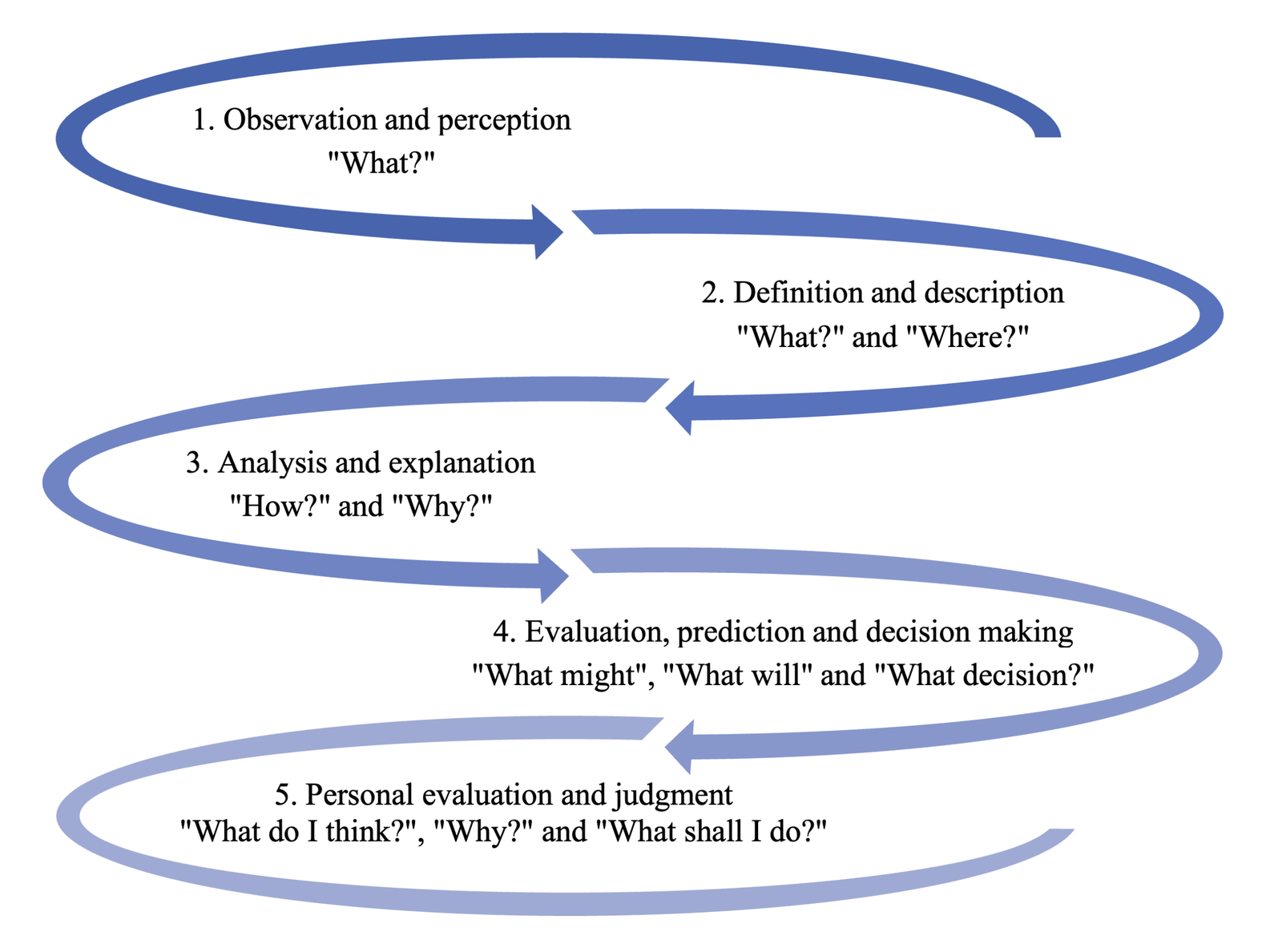
The humanities subjects of UCCKE steer towards ‘learning to learn’, ‘collaborative learning’ and self-directed learning strategies. Learning is skill-based and inquiry approaches are daily practices.

Common characteristics of learning and teaching tasks:

  • Evaluating current issues from multiple perspectives
  • Data analysing and interpretation
  • Group discussion and presentation
  • Social research/oral & written presentation
  • Small projects
  • Relating cause and effects of some phenomena

The acquisition of humanities subject knowledge is not textbook-bound. Learning happens both in and out of classrooms. Field trips, site visits, internet search, interviews, reading and interpreting from various sources are common. There is a wide provision of E-learning platforms and online resources.

Aims and Objectives

Students are expected to:

  1. develop an understanding of national and world history and issues;
  2. develop an understanding about the changing relationships of people, locations and events in the past;
  3. appreciate the characteristics and values of their own culture and the influences of culture on human life, and develop a respect for the culture and heritage of other communities;
  4. appreciate the interaction between human beings and the environment in terms of the processes and patterns of natural and human features in different places, and participate in sustaining, conserving and improving the environment;
  5. appreciate that the optimal use of resources is achieved through enterprise and management, and that people’s participation in economic activities and their ever-changing nature give rise to new work opportunities and conditions;
  6. understand the importance of ecological security, nuclear security and new security domains;
  7. demonstrate active and responsible citizenship based on an understanding of the roles, rights and responsibilities of individuals and groups, the importance of social justice and concern for local, national and global issues, and a respect for all of these.

Assessment Components

Assessment is an important element for analysing learning progress of students. It provides feedback to teachers and students for improving teaching and learning. Methods of assessment in the Faculty include but not limited to the following.

1. Formative assessment (assessment for learning, assessment as learning)
  • Lesson preparation tasks
  • Notes taking
  • Oral and written report after field trips and visits
  • Individual / group projects
  • Presentation
  • Self / peer assessment
  • Short quizzes
2. Assessment of learning
  • Daily work
  • Uniform test
  • Exam

History

Aims and Objectives

History investigates how humans have responded to God’s call to care for and unfold the earth. The S.1-S.3 curriculum provides students with the knowledge of a broad range of human experiences stretching from ancient times to modern times. It also seeks to develop skills such as chronological thinking, historical comprehension, empathy, enquiry, critical thinking and communication. On completion of the junior course of history, students should be able to master the ways of constructing a sequence of major historical events, elucidating the relationship between events and people, as well as making logical inferences about cause and effect.


Teaching Scheme

Level

Topics

S.1 Ancient and the Medieval Times

·    Civilizations of the ancient world

·    The rise of classical civilizations

·    The Medieval Times

·    Hong Kong before the 19th century

S.2 The making of the modern world

·    The Renaissance

·    European colonial expansion

·    The French Revolution and Napoleon

·    The Industrial Revolution

·    Hong Kong in the 19th century

S.3 Conflicts and cooperation in the 20th century

·    The First World War

·    The Second World War

·    The Cold War

·    Hong Kong in the 20th century

Assessment Components

  1. Quiz
  2. Homework
  3. Self-directed learning task
  4. Group research and presentation
  5. Examination

Geography

Aims and Objectives

The study of geography is to enable students to:

  1. develop knowledge and understanding of how natural environments influence human activities and human activities alter natural environments.
  2. develop lifelong enquiry skills, including the ability to observe and identify issues and problems; ask questions; record, organize, compare, analyse, interpret information and data; present and evaluate the findings, solutions or conclusions.
  3. develop generic skills of communication, critical thinking, problem-solving and creativity.
  4. develop values and attitudes that will enable them to appreciate and show respect for all peoples, and their cultures, values and ways of life; recognize environmental problems and take appropriate action to promote sustainable development.
  5. understand God’s graceful and amazing creations; and learn how to manage the Earth according to His will.


Learning through enquiry
Fieldwork learning

Curriculum

S.1

Major geographical themes

Guiding Questions

Topic A: Using urban space wisely

·    Where do you live?

·    What does our city look like? What are the major types of urban land use in Hong Kong?

–       Why are some residential areas near industrial areas in Hong Kong?

–       Where is our Central Business District?

·    What problems is our city facing?

·    How can we solve the urban problems in Hong Kong?

·    How can Hong Kong develop into a sustainable city?

Topic B: Population problems

·    What are the characteristics of world population?

·    What are the factors that cause population change?

·    What is a demographic transition model?

·    What are the differences in the population structures of the LDCs and MDCs?

·    What are the population characteristics of Hong Kong?

 Extended learning Scramble for energy

·    What are the global consumption and production pattern of non-renewable and renewable energy?

 S.2

Major geographical themes

Guiding Questions

Topic A: Food problem

·    Can we produce enough food for our growing population?

·    How do we farm? What are the major farming problems in China?

·    What scientific farming methods are used to solve the farming problems in China?

·    What harmful effects do scientific farming methods bring?

·    Are there other ways to solve farming problems in China?

Topic B: The Trouble of Water

·    What is the major threat to water resources?

·    Where does water come from?

·    What and where are China’s water resources?

·    What problems does flooding bring to China?

·    What problems does drought bring to China?

S.3

Major geographical themes

Guiding Questions

Topic A: Living with Natural Hazards

·    Are we living in a hostile world?

·    What are the causes and effects of landslides?

·    How can we describe the relief of Hong Kong?

·    Why does most of Asia suffer from strong winds and heavy rain in summer?

·    Why do earthquakes happen?

·    Why are some people at a higher risk of experiencing natural hazards than we are?

Topic B: Changing climate, changing environments

·    What are the climatic patterns of the world?

·    How have global climatic patterns changed in recent decades?

·    What is greenhouse effect and global warming?

·    What are the causes of climate change?

·    What are the impacts of climate change on natural environment and human societies?

·    What measures have countries taken to combat climate change?

·    How do different countries cooperate to combat climate change and what are the challenges?


Geographical skills

Form

S.1

S.2

S.3

Topic

A

B

A

B

A

B

Identify geographical issues and ask / pose geographical questions

vvvvvv

Select and extract geographical data from a range of sources: primary and secondary sources (e.g. field data, documents, maps, charts, photos, GIS data and website)

vvvvvv

Organise and present geographical data in appropriate formats (texts and illustrations, such as reports, tables, summaries, maps, diagrams, models, sketches and graphs) using appropriate techniques for summarising (descriptive statistics such as average, median, mode and range, etc.)

vvvvvv

Observe and interpret patterns, trends and relationships from processed geographical data

vvvvvv

Make inferences / generalisations and draw conclusion from analysed geographical information and data

vvvvvv

Read maps of different kinds and at different scales (floor plans, street directories, atlas maps, topographic maps, HMC20C maps)

vvvvvv

Locate specific features and places on a map using coordinates and references (letter/number coordinates, 4-figure references, 6-figure reference, longitudes and latitudes)

v


Measure distances and areas on maps using linear scale and RF

vvvvvv

Identify and describe spatial patterns on a map


v


Construct an annotated cross-section from a contour map


v


Calculate the gradient of a slope


v


Interpret a contour map to describe the relief of an area and identify landform feature shown on the map (Refer to features like ridge, plateau, slope [convex, concave, steep, gentle], valley, spur, saddle, knoll, escarpment, cliff, etc.)


v


Identify and calculate totals, averages (include mean, modes, medians), frequencies, ranges (minimum and maximum), densities, ratios and percentages


v


Construct and interpret pie charts, bar, column, line, climatic and proportional graphs

vvvvvv

Construct flow diagrams to illustrate inputs, outputs, elements, feedback and other aspects of geographical systems


v


Read and interpret oblique, aerial, ground-level and satellite imagery

v


v

Recognise features and patterns shown in an aerial photograph and identify them on a map of the same area

v


v


Read simplified weather charts (include temperature, precipitation, wind speed and direction, high and low pressure, specific systems like typhoon)


v


Assessment Components

Section

Part

Teaching Main Points

Daily

40%

·    Quiz

·    Assignments [pre-lesson, post-lesson, extended]

·    Fieldwork / Projects

·    Notes Taking and Lesson Performance

Examination

60%

·    Multiple Choices Questions

·    Data-response Question

中國歷史科

課程宗旨
  1. 認識中國重要的歷史事件、人物事蹟、民族發展概況及社會文化面貌;
  2. 理解及分析相關的歷史資料,培養研習歷史的能力;
  3. 培養優良的品德,以及個人對國家、民族及社會的認同感、歸屬感及責任感;
  4. 培養學習中國歷史的興趣。


學習目標
  1. 整全地認識中國政治演變、民族發展和社會文化的基本史實;
  2. 採用不同的方法理解及整理歷史資料,並以求真持平的態度分析及評價不同的史事,從而培養他們客觀分析與評價史事的能力;
  3. 理解不同史事的因果關係及相互影響,了解現今事物的由來、演變及發展趨勢,進而建立史識,明白歷史鑑古知今的意義;
  4. 研習與中國歷史相關的香港發展的重要事件,了解香港的發展歷程及其與國家發展的關係;
  5. 透過對中國社會文化發展、民族交往、中外文化交流、科技發明的認識,了解、欣賞及承傳中華文化兼容並包、開拓創新的精神,提高學生對中華民族及文化的情感,並能尊重及關懷不同的文化與承傳;
  6. 透過對歷史人物及史事的認識,培養學生優良的品德,以及對國家、民族及社會的認同感、歸屬感和責任感。
  7. 透過研習史事與採取不同的探究方法,培養學習中國歷史的興趣


課程大綱

中一

·    中華民族與早期國家的起源

·    西周的封建

·    春秋戰國時期的變局

·    秦朝的統一、統治措施及速亡

·    兩漢的政治發展與中外文化交流

·    魏晉南北朝士族與寒門及孝文帝漢化政策

·    隋之開皇之治與隋之亡國

·    唐之盛世與衰亡

中二

·    五代的興替與宋的統一

·    兩宋政治及經濟的發展

·    元朝的統治

·    明代的君主集權及國勢的張弛

·    明之國防及鄭和下西洋

·    清初盛世及各民族政策

·    清朝中衰及圖強

中三

·    革命運動與民國成立

·    軍閥政治與五四運動

·    第一及第二次國共合作與分裂

·    日本侵華與抗日戰爭

·    中華人民共和國成立及建國初期的政治運動

·    三面紅旗及文化大革命

·    1950-90 年代的中外關係

·    改革開放

評核方式
  1. 測驗
  2. 習作及工作紙
  3. 閱讀報告
  4. 筆記
  5. 統測
  6. 考試

聖經科

課程特色

本校聖經課乃所有級別的必修科,旨在創造空間讓學生認識和思考基督教信仰。一方培養學生欣賞聖經文學的豐富和造物偉大的創造,另一方面挑戰他們以信仰角度反思生命、批判社會,作個勇於承擔的人。

鑑於學生不同的言語、信仰背景和需要,初中課程分為紅、綠及非華語三組,課題大致相同,但教學導向和重點各異。

紅組為較成熟、熱心追求的基督徒而設,教授聖經人物和故事內容的同時,更著重歷史背景及其於以色列歷史中的重要性,以宏觀的角度幫助學生建立穩固的信仰基礎,在生活中實踐聖經的教導,並參與校內及所屬教會之事奉。

綠組課程適合慕道和初信者,教學取向和所背誦的經文以福音性為主,同時亦鼓勵學生多閱讀和分享屬靈書籍,以及參加校內和校外不同類型的基督教活動。

非華語課程以英語授課,教學內容與聖經人物和故事相關,亦了解各同學的宗教背景,以多角度與學生討論基督教信仰的重點,並鼓勵他們學效積極和正面的價值觀。


課程大綱

中一

課題

教學重點

耶穌降生:

謙卑降生.俯就世人

·     牧羊人和東方幾位博士對耶穌降生馬槽裏的反應

·     耶穌謙卑降生與其使命的關係

·     學習心存謙卑,體恤他人

道前的準備:

作好準備.實踐使命

·     耶穌實踐傳道使命前所作的準備,包括:從小學習上帝的教導、在約旦河受洗及在曠野勝過魔鬼的試探

·     在知識及心志上作好準備,實踐使命

登山寶訓:

卸下思慮.常懷愛恕

·     在登山寶訓中關於獲得快樂人生的教導

·     培養宗教情操,過合神心意的生活

好撒馬利亞人:

放下偏見.幫助別人

·     「好撒馬利亞人」的比喻的背景、內容及祭司、利未人和撒馬利亞人對傷者作出的行動和背後的價值觀

·     學習放下偏見,與別人建立鄰舍的關係

不饒恕人的惡僕:

饒恕別人.快樂釋懷

·     「不饒恕人的惡僕」的比喻所包含的道理及耶穌說此比喻的背景

·     反思自己能否以饒恕之心對待別人

三個僕人:

善用才幹.服事他人

·     「三個僕人」的比喻的道理

·     審視自己是否善用才幹

五餅二魚:

樂意分享.造福他人

·     五餅二魚故事的背景及耶穌對羣眾的憐憫

·     耶穌和門徒對「五餅二魚」少量食物的不同看法

·     社會上發揮着五餅二魚的精神的人及機構

趕鬼入豬:

解除捆綁.重獲自由

·     被污鬼附身的人的生存困難

·     耶穌看重每個人的內在價值

·     檢視時下青少年受到外在力量支配,失去心靈自由的情況

醫好生來失明的人:

開放心靈.改變生命

·     了解耶穌與門徒對生來失明的人的看法,以及鄰居、他的父母和法利賽人對他得醫治的看法

·     法利賽人與盲人在會堂的對質:「失明的,能看見;能看見的,反而失明」的含意

耶穌處世之道:

關心弱勢.秉行公義

·     耶穌接納有罪女人為他洗腳的事跡

·     耶穌潔淨聖殿的事件

·     廉政公署成立的例子

·     學習關心弱勢社羣,在生活中秉行公義

受難的基督:

犧牲受苦.給人生命

·     耶穌受難、被釘死在十字架上的事跡

·     思考耶穌的受難事跡對自己的意義

復活的基督:

永恆盼望.豐盛人生

·     耶穌復活、向婦女和門徒顯現及升天的事跡

·     愛與寬恕的力量能夠戰勝破壞生命的力量


中二

課題

教學重點

亞伯拉罕:

憑着信心‧跨越困難

·     亞伯拉罕以信心勝過考驗的事跡:離開哈蘭進入迦南、獻以撒的考驗

·     持正面的信念,跨越困難

雅各:

摒棄狡詐‧真誠待人

·     雅各用狡猾手段爭奪長子名分的原因及經過

·     真誠待人,與別人建立互信的關係

約瑟:

信靠上帝‧看禍為福

·     約瑟所經歷的逆境

·     信靠上帝,嘗試把逆境看為祝福

摩西:

突破自己‧活得豐盛

·     摩西帶領以色列人出埃及的事跡

·     十災

·     依靠上帝,突破性格和能力的限制

參孫:

過份自恃‧招致失敗

·     參孫作為拿細耳人的背景,及他的功績

·     參孫失敗的原因

·     以謙卑謹慎的態度生活

路得:

善待家人‧關懷家人

·     路得關懷婆婆的事跡

·     學習關懷家人

大衛:

克己自制‧遷善改過

·     大衞的優點和功績

·     培養自制力,勇於認錯和改過

所羅門:

祈求智慧‧明辨是非

·     所羅門追求智慧的事跡

·     所羅門在建設聖殿的事上再次表現他的智慧

·     了解明辨是非的訣竅,更得上帝的賜福

以利亞:

走出絕望‧重新振作

·     以利亞在絕望中重新振作的事跡

·     以利亞在在身心社靈四方面的消極表現及使他在這四方面重新振作的方法

但以理:

持守信仰‧堅持立場

·     但以理在進食御膳和不得向上帝祈禱等兩次事件中所要面對的兩難局面

·     堅持立場的程度、困難及對人對己的影響

以斯帖:

把握機會‧貢獻社會

·     猶太人在波斯亞哈隨魯王統治下要面對的危機

·     以斯帖以王后的身分拯救同胞

·     學習把握時機,幫助有需要的人

尼希米:

堅毅不拔‧重建社會

·     尼希米重建耶路撒冷城牆的事跡

·     尼希米把耶路撒冷城牆獻給上帝的意義

·     以堅毅的意志克服困難,貢獻社會


中三

課題

教學重點

新生的團體:

心靈更新‧互愛分享

·     信徒在五旬節的經歷

·     追求心靈更新,克服自己的軟弱、自私

信徒受迫害:

無懼困苦‧堅守真理

·     彼得、約翰、司提反和雅各受迫害的經過以及他們堅守信仰的原因

·     現代基督徒潘霍華

·     克服生命中困苦狀況的方法

使徒保羅:

開放自己‧作出改變

·     掃羅在大馬士革路上的經歷

·     掃羅在大馬士革的經歷前不能作出改變的原因

·     珍惜生活中不同的經驗,開放自己

福音傳開:

消除偏見‧接納差異

·     彼得得到上帝所賜的異象

·     初期教會中的猶太信徒對外邦信徒所作的文化寬容

·     在生活中實踐消除偏見

我是誰

·     在上帝眼中,每個人都有獨特的價值、身分和才能

·     以上帝的眼光重新評價自己

我的性格

·     基督教信仰有關提升性格素質的教導

·     以巴拿巴為榜樣,以包容的態度去接納跟自己性格不同的人

親子和睦

·     基督教信仰中有關父母與子女彼此尊重的教導

·     反思與父母相處的模式,以具體行動減少與父母衝突

戀愛真諦

·     基督教信仰有關愛的教導

·     培養正確的愛情態度

消費文化

·     當代消費文化所帶來的問題

·     基督教信仰教導人如何過發展自己才能、關愛他人、珍惜地球資源的生活

·     如何過另類的消費生活

關顧貧窮人

·     促成貧窮情況的原因

·     基督教信仰中有關如何看待貧窮人的教導

·     以實際行動來援助貧窮人,建立公義的社會

學會作決定

·     基督教信仰所引伸出來的作決定的原則

·     回顧過往的決定,學習在作決定前作周詳的考慮

尋找人生意義

·     上帝創造每個人特定的目的

·     發現和發展自己的夢想

明辨媒體

·     個人和媒體都不可作假見證

·     看待事物有物質向度,亦有屬靈的向度

·     媒體應該持平,客觀地報導事實,基督徒應從天國價值(包括愛心、正義和智慧等等)作相關的反思

認清虛實

·     沉迷惡習是一種綑綁,釋放與自由是美好的狀態

·     愛惜光陰

·     慎思慎言

評核方式
  1. 作業/工作紙
  2. 課堂表現
  3. 教會聚會報告
  4. 金句背誦
  5. 屬靈書籍閱讀報告
  6. 小測